Moving Day Preparation: What to Have Ready Before the Truck Arrives
Preparation for moving day should make the agreed collection possible. The aim is to have belongings, access and contacts ready when the provider arrives, with fewer last-minute decisions about what travels or who can authorise a change.
Work backwards from the appointment you have accepted. Confirm which packing and furniture tasks belong to you, then check that your household and destination contact understand the same plan.
Finish the inventory before collection
Walk through each room and compare its contents with the final list sent to the removalist. Include storage areas that are part of the job. If extra furniture or boxes have appeared, tell the business before collection rather than assuming they can be added without consequence.
Separate items that will remain, be disposed of elsewhere or travel with you. Clear identification is especially useful when different people are present at the property. A verbal instruction given to one person may not reach everyone helping with the move.
Prepare items according to the agreement
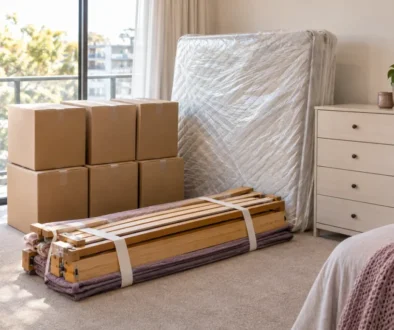
Complete your agreed packing and label boxes by destination room. Keep fittings from dismantled furniture together in a labelled container and tell the provider where they are. If you are unsure whether a piece should be dismantled, ask before attempting it.
Do not disconnect or prepare equipment beyond what you can safely undertake. Arrange appropriate assistance where required and check relevant instructions. The moving appointment should not depend on a preparation task that nobody has accepted responsibility for.
Check access bookings and entry
Confirm lift reservations, loading arrangements and building contacts at both ends. Make sure keys or access devices will be available. Explain any new obstruction or restriction to the business before the crew arrives.
Keep the carrying route clear of loose belongings where practical. Describe any issue you cannot resolve so the provider can assess it. Do not move heavy furniture yourself to create a route if doing so introduces a handling risk.
Set aside what stays with you
Prepare a separate essentials bag or box for the period before you can unpack. Include personal documents, chargers and the items you need immediately. Keep it clearly outside the collection inventory.
If children or pets will be present, organise their supervision separately from furniture handling. The person answering the crew's questions should be able to concentrate on access and the agreed job, rather than simultaneously managing every household task.
Coordinate collection and receipt
Choose a contact who can answer questions at collection and someone who can receive the delivery. Share the relevant phone numbers with the business. Explain who can approve a revised arrangement and what should happen if the main contact cannot be reached.
For instance, a fictional customer leaving before loading finishes should not assume a neighbour can authorise added charges or destination changes. Establish those responsibilities in advance and confirm the provider accepts the handover arrangement.
Keep the booking information accessible
Have the accepted quote, inventory and access notes available without relying on a computer already packed for transport. Record the provider's contact and any final written changes.
Use the moving house checklist for the wider timeline. Compare Removalist Quotes helps you request provider responses; collection and delivery arrangements are agreed directly with the business you book. Your moving-day preparation should reflect that particular agreement.