Moving Furniture Through Narrow Doors and Stairways
A sofa or cabinet can fit comfortably in a room yet be difficult to take out through the doorway and stairs. Before moving day, identify the complete carrying route and let the provider assess it alongside the furniture dimensions.
The aim is to provide useful information, not to prove that an awkward lift can be done. Do not attempt heavy handling yourself merely to test the route.
Record the item's dimensions and condition
Measure length, width and height where practical. Explain which parts are removable and whether you have the manufacturer's instructions. Photograph unusual features, delicate sections or existing repairs that could affect preparation.
Tell the business if the furniture was assembled inside the room or entered by a route that is no longer available. That history may help identify questions, but it is not a substitute for assessing today's exit route.
Measure the route rather than one doorway
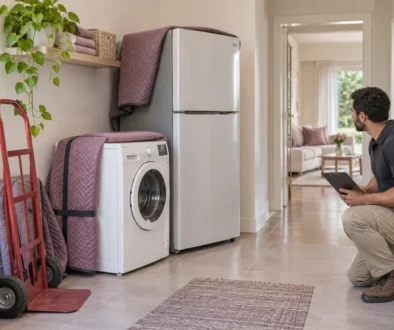
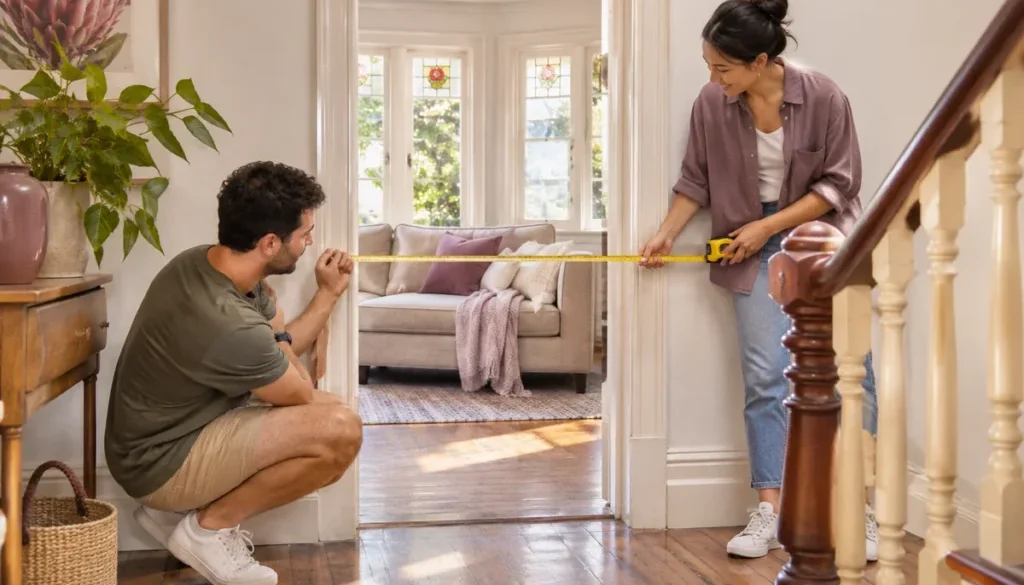
Identify door openings, corridors, corners, stairs and landings in sequence. Include the entrance beyond the room and the route to the proposed vehicle position. A generous first opening can be followed by a tight turn elsewhere.
Where you provide measurements, explain what was measured. An overall door-frame dimension may differ from the usable opening. Ask the provider which additional measurements or photographs it needs before making a handling decision.
Describe stairs in useful terms
State the number of flights and show turns, landings and any visible restriction. Include photographs from useful angles if requested. Avoid relying on a floor number alone, because it does not show the shape of the stairway.
Keep loose belongings out of the route where you can do so safely. If an obstruction cannot be removed, disclose it. The provider needs an accurate view of the route it will encounter rather than an idealised description.
Agree any disassembly before collection
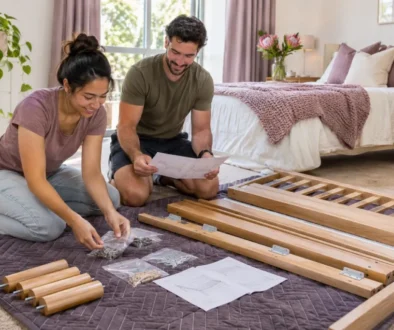
Ask who will decide whether dismantling is appropriate and who is responsible for doing it. Confirm whether reassembly at the destination is included. Keep fittings labelled and identify furniture that should not be taken apart without suitable instructions.
For a fictional dining table in an upstairs room, removable legs may change the dimensions but do not automatically resolve every stair turn. Send both the item information and route details so the business can assess the whole task.
Check the destination with equal care
A successful exit does not establish that the item can enter the next property. Repeat the same assessment for delivery and tell the provider about a smaller doorway or a different floor level. Check the intended placement as well as entry.
If the business identifies the need for another method or specialist service, obtain a clear proposal before booking. Do not assume an alternative handling arrangement is included in an ordinary transport quote.
Keep the assessment with the inventory
Use the furniture removalists page to describe the pieces and access constraints. Compare Removalist Quotes helps you request relevant responses; the selected business assesses the handling it accepts. Keep its written advice and any agreed preparation alongside the final furniture list.